The power of brand personality

/
5 min
by
Dirt
Share Article
A great offer is just the baseline.
If the only thing separating you from the competition is a cheaper price tag or a faster delivery time, your business is built on quicksand. The second your offer starts feeling like a commodity, your personality becomes your only true premium. No personality? You sink.
Let’s see if your brand actually has gravity. Ask yourselves these 6 questions.
01. Are you selling features or feelings?
People buy and connect based on emotion. Memorability is what gets that initial click, but raw emotion is what actually drives the conversion. To build a brand with genuine longevity, you have to bypass intellectual logic and target their nervous system.
What does your hero statement say about you? Is it a clinical list of what you do (features), or does it trigger an emotional reaction (feelings)? There are three core feelings that consistently drive human conversion.
Case in point: How Surreal converted personality into profit
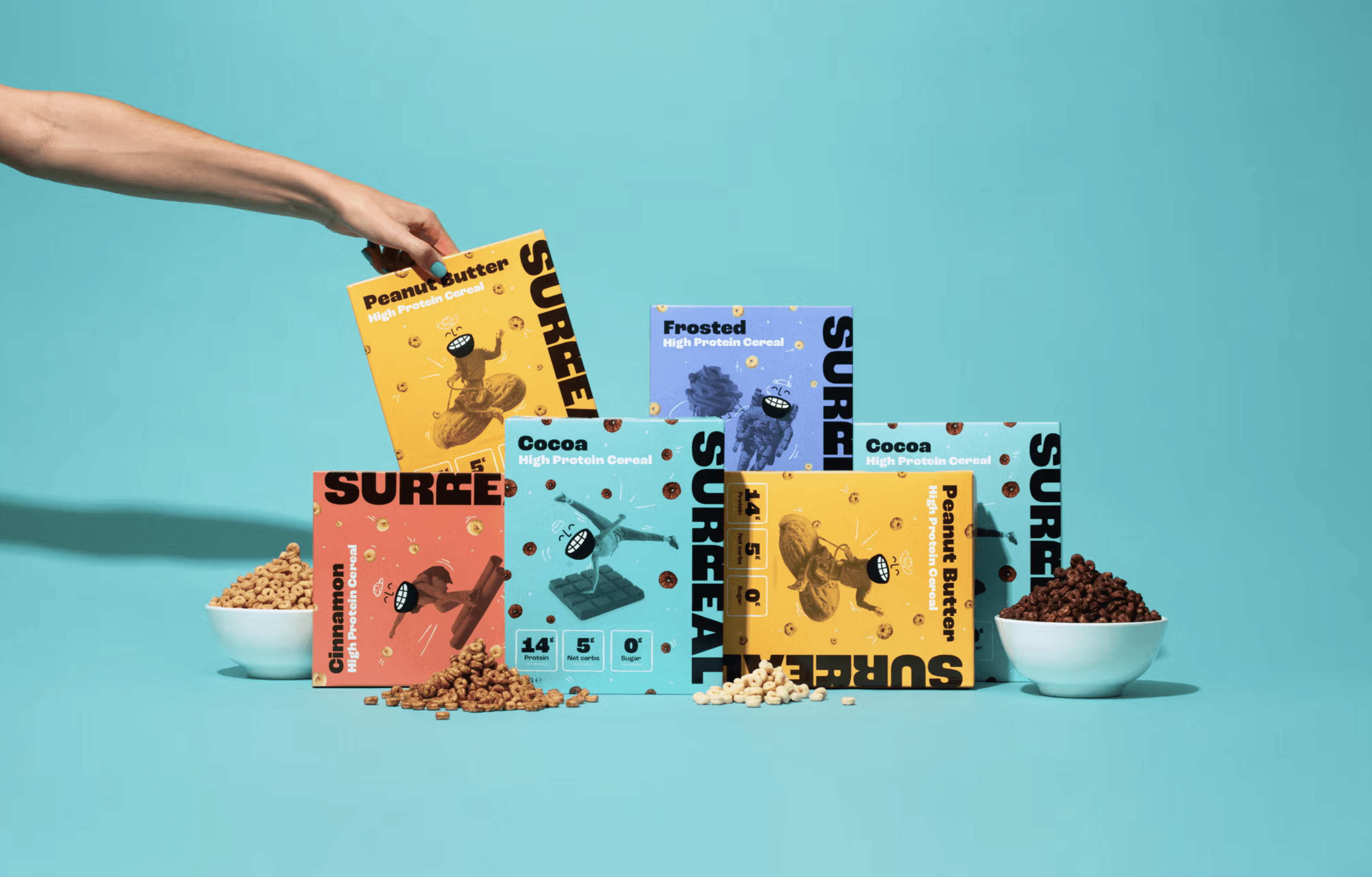
Look at a brand like Surreal (@eat_surreal). On paper, they sell cereal. One of the most crowded, commoditised grocery aisles on the planet. But they aren't actually selling grain; they’re selling a highly confident, unapologetic point of view.
You don't buy their product simply because of the taste; you buy it because you love their tone. Their tone of voice is their biggest weapon. Through cheeky copy, unhinged memes, and bold headlines, they make the consumer feel like they’re instantly in on the joke. The result? Playful, confident, and must-share. They didn't just market a physical commodity; they scaled an unmistakable brand personality.
02. Do you know your core values?
Most people underestimate the importance of brand values. They're not corporate jargon to stick on a wall, they're the foundation of your brand. They shape the decisions you make, influence how you show up, and keep your personality consistent in the real world. Think of them as filters. What happens when you don't filter muddy water? It tastes like shit. Brand values do the same for your business. They filter out the noise, the distractions and the decisions that don't align, leaving behind a clear narrative and an identity that feels unique to you.
03. Where is the human connection in your brand?
People connect with people, not abstract corporate entities or faceless service agencies. By putting a human face to your brand, you build an immense amount of trust. This transparency moves the conversation away from feature lists and price points, creating a deeply loyal community around your vision.
Case in point: How SULT converted personality into profit using human interaction:
Look at a brand like SULT (@drinksult). Rather than hiding behind polished product shots, SULT puts its founders front and centre. Milly and Henry appear consistently across social media, sharing behind-the-scenes moments, reacting to trends, answering questions and documenting the journey of building the business in real time. The product is rarely the hero: the people behind it are.

That transparency has transformed customers into followers and followers into advocates. People aren't just buying electrolytes; they're buying into the personalities, humour and vision of the people building the brand. It feels less like a company selling a product and more like two people inviting you along for the ride.
The result? A brand that competes on connection rather than discounts. When dozens of electrolyte brands offer similar ingredients, SULT has created something much harder to replicate: familiarity, trust and genuine community.
PSA: Not every brand needs a founder in front of the camera. Founder-led content is just one way to build a human connection. The same outcome can come from a distinctive tone of voice, a clear point of view or a personality that people recognise instantly. The goal isn't to become an influencer, it's to stand out.
04. Does your identity match your brand personality?
Your visual identity should feel like a natural extension of your brand's personality. If your tone of voice is warm and conversational but your design feels cold and corporate, people notice the disconnect. If you position yourself as premium but your visual language feels generic, the story starts to fall apart. Every element of your identity, from typography and colour to photography, motion and layout, should reinforce the same character. Your brand shouldn't just say who it is. It should look like it too.
When your personality and identity work together, every touchpoint becomes recognisable before someone even reads a word. That's how brands build trust, familiarity and recall over time.
Anyone can create a great-looking logo. The challenge is making sure the brand still feels like itself every time someone interacts with it.
05. What does your content blueprint look like?
A strong social identity keeps a brand consistent, recognisable, and trustworthy. It’s the absolute foundation of community building. That’s why 80% of your content should be anchored in your brand strategy: the core values and pillars that define who you are and why you exist. This blueprint creates structural cohesion, builds long-term authority, and ensures that your roll-out assets add to a bigger picture.
But social is also about being alive in the moment. The remaining 20% playbook rule leaves intentional room for flexibility: reacting to cultural trends, celebrating unexpected moments, or amplifying conversations already happening. When handled with care, this space allows the brand to feel human, adaptive, and completely in tune with its audience, without ever drifting off-message.The balance ensures consistency without rigidity: a clear brand world that’s always ready to move with the energy of real life.
Case in point: How Liquid Death uses the 80/20 rule to dominate social media
Look at a brand like Liquid Death (@liquiddeath). On paper, they sell water: literally the most abundant, commoditised resource on earth. But their social playbook isn’t built around hydration benefits; it’s built on pure, unfiltered entertainment disguised as a heavy metal brand.
They use the 80/20 rule flawlessly. 80% of their content is anchored strictly in their core brand strategy: high-octane visual identity, eco-conscious anti-plastic messaging (“Murder Your Thirst”), and absurdity that reinforces their dark, satirical world. But the remaining 20% is where they leave room to react to real-world culture.
Whether it's turning hateful online comments into actual death metal tracks, launching absurd fake products (like their "Recapitate" embalming fluid) during viral internet moments, or teaming up with unexpected celebrities to roast traditional advertising, they move with the speed of a meme page. They don’t just participate in internet culture; they create it.
The result? Unapologetic, unhinged, and unmissable. They proved that when you build a rigid 80% foundation, that 20% flexible space allows you to react in real-time: turning a basic, zero-calorie commodity into a $1.4B cultural powerhouse.

06. What is your end goal?
The goal isn't to launch a brand. The goal is to own one.
Brand personality creates ownability. It's what helps people recognise you before they read your name, trust you before you've sold them anything, and describe you without needing to see your logo.
Ask yourself this: what are people saying about your brand when you leave the room? That's the destination. Brand personality isn't what you say about yourself: it's what people remember, repeat and feel long after the interaction is over.
Think of it like a person. We remember people for how they make us feel, not because they tell us who they are. Brands work the same way.
That only happens when every touchpoint works together. Your strategy, identity, website, content, campaigns and customer experience should all reinforce the same world.Brands aren't remembered because of one great moment. They're remembered because every moment feels like it belongs to the same story.